

Vehicle Care Guide
A clear approach to paint preservation, protection, and long-term vehicle care.
This guide is designed to help you understand proper vehicle care-not just how it’s done, but why it matters.
The Reality of Automotive Paint
Paint Is More Delicate Than It Looks
Modern automotive paint is protected by a clear coat—a thin, transparent layer designed to enhance gloss while acting as a barrier between your vehicle and the environment.
This layer is sacrificial by design. It absorbs the effects of UV exposure, environmental fallout, washing, and light abrasion over time. While it protects the color beneath, the clear coat itself gradually wears down through everyday use.
Despite its deep, reflective appearance, clear coat is not scratch-resistant. Even fine dust, pollen, and road film can create microscopic surface marks when moved across the paint.
Contamination Happens Below the Surface
In addition to surface wear, your vehicle is constantly exposed to contaminants that can bond to or embed within the clear coat over time.
These include:
Brake dust and iron particles
Industrial fallout
Tree sap and organic residue
Hard water minerals
Left untreated, these contaminants do more than sit on the surface—they can:
Embed into the pores of the clear coat
Create roughness that increases friction during washing
Lead to staining, etching, or long-term damage
As contamination builds, the surface becomes less smooth—meaning even careful washing introduces more friction and increases the likelihood of micro-marring.
This is why proper decontamination is a critical part of maintaining paint—not just cleaning it.
Why Preservation Matters
Because the clear coat is finite, it cannot be endlessly corrected or restored.
Processes like polishing and paint correction work by removing a small amount of clear coat to level imperfections and restore clarity. While highly effective, this means correction must be performed intentionally and in moderation over the life of the vehicle.
If the clear coat becomes too thin—or fails entirely—the only true solution is repainting.
Protective layers such as sealants and coatings help reduce direct exposure and improve surface slickness, allowing contaminants to release more easily during washing—but they do not eliminate wear entirely.
When Paint Is No Longer Preserved
Repainting a vehicle or even a single panel:
Rarely replicates the consistency of factory-applied paint
Typically ranges from $500–$1,500 per panel, and significantly more for larger or high-end work
May reduce resale value due to non-original paintwork
Can introduce variation in color match, texture, and long-term durability
For well-maintained vehicles, preserving original paint is almost always the better outcome.
What This Means for Your Vehicle
Paint condition is not determined by age alone—it’s shaped by how consistently and correctly it’s maintained.
At Grand Touring Auto Spa, every service is performed with a preservation-first mindset:
Minimizing unnecessary abrasion
Removing bonded contaminants safely
Maintaining clarity without over-correcting
Washing & Micro-Marring
Washing Is the Most Common Source of Paint Damage
While it may seem harmless, routine washing is the single largest contributor to micro-marring on a vehicle’s paint.
Every time the surface is touched, there is potential for friction. If even small particles of dirt or contamination remain on the paint, they can be dragged across the surface—creating fine scratches that gradually reduce clarity and gloss.
This is why vehicles that are washed improperly—even if frequently—often show more visible wear than those maintained with a controlled process.
Not All Washing Methods Are Equal
The difference between a safe wash and a damaging one comes down to how contamination is handled before and during contact.
Common causes of unnecessary marring include:
Automatic or brush-based car washes
Reusing contaminated wash media
Insufficient pre-rinsing or pre-washing
Excessive pressure during contact washing
Improper or rushed drying methods
Even small inefficiencies in technique can compound over time.
Automatic Car Washes: Understanding the Risk
Automatic car washes are designed for speed and convenience—but not for long-term paint preservation.
Brush-based systems reuse materials that come into contact with hundreds of vehicles daily. Even when maintained, these brushes can carry residual dirt and debris, which may be transferred across your vehicle’s surface during the wash process.
Over time, this repeated contact often results in:
Fine swirl marks and micro-scratches
Reduced clarity and gloss
A hazy appearance under direct lighting
Touchless systems avoid physical contact but rely on stronger chemicals and high-pressure water. While safer from a scratching standpoint, they may:
Leave behind residual contamination
Be less effective at safely removing bonded debris
Contribute to surface drying or spotting if not followed by proper rinsing and controlled drying.
While these systems offer convenience, they are not designed with long-term paint preservation in mind—particularly for vehicles where finish quality matters.
The Role of Contamination in Wash-Induced Damage
Contamination doesn’t just affect how a vehicle looks—it directly impacts how safely it can be washed.
As bonded contaminants accumulate:
The surface becomes less smooth
Friction increases during contact
The likelihood of micro-marring rises, even with careful technique
This is why periodic decontamination is essential—it restores a smoother surface and allows for safer ongoing maintenance.
A Controlled Approach to Washing
Proper washing is not about eliminating contact—it’s about managing it intentionally.
Every step of the process is designed to reduce friction and prevent contamination from being dragged across the surface.
A safe, professional-grade wash typically includes:
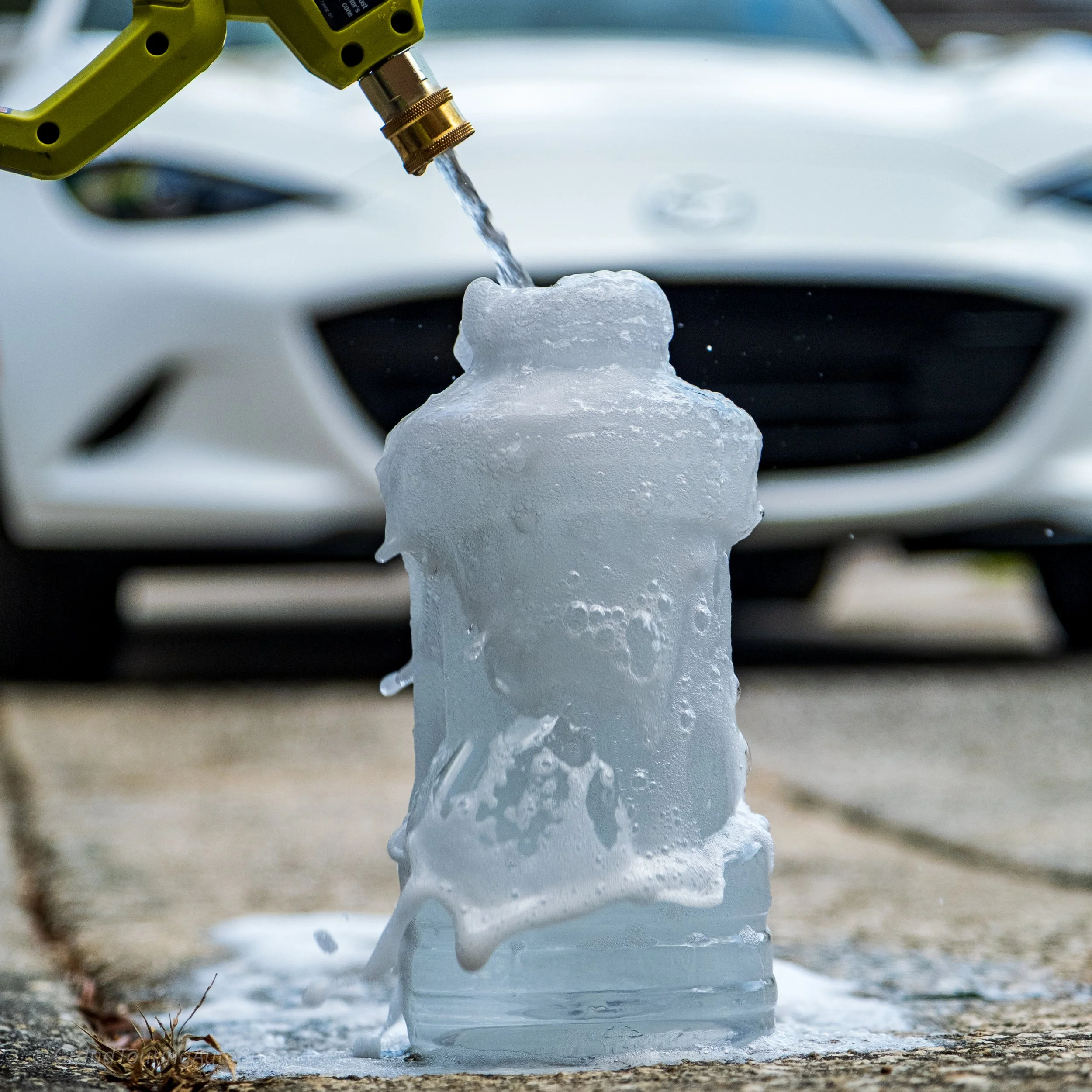
Thorough pre-rinsing and pre-washing to remove loose debris before any contact is made
The use of clean, high-quality wash media, often rotated frequently or used on a per-panel basis
High-lubricity shampoos that allow remaining particles to glide safely off the paint
Controlled techniques such as multi-towel or multi-mitt approaches to avoid reintroducing contamination
Minimal-pressure contact washing, allowing the process—not force—to do the work
Reduced-contact drying, often supplemented with forced air to limit towel contact
Process Over Method
While techniques like the two-bucket method or multi-towel approach are often referenced, the principle remains the same:
Contamination must be safely removed—not redistributed across the surface.
Small differences in process can have a significant impact on long-term paint condition. When performed correctly and consistently, washing becomes a method of preservation—not gradual wear.
What This Means for Your Vehicle
A vehicle that is washed frequently using proper methods will typically maintain better long-term paint condition than one that is cleaned infrequently or improperly.
Consistency, technique, and attention to detail matter far more than how often a vehicle is washed.
Understanding Vehicle Protection
Protection is not a single product—it’s a system designed to preserve your vehicle’s surfaces from environmental exposure, wear, and long-term degradation.
Different forms of protection serve different purposes, working together to maintain both appearance and material integrity over time.
Protection supports preservation—but does not eliminate wear entirely.
Surface Protection (Waxes, Sealants, Coatings)
Surface protection enhances gloss, improves surface slickness, and creates a barrier between your vehicle’s paint and the environment.
While each type varies in durability and performance, they all serve the same purpose:
To reduce direct exposure and make maintenance safer and more effective.
Waxes
Waxes provide a warm, rich appearance and short-term protection.
They:
Enhance gloss and depth
Provide a temporary barrier against light contamination
Improve surface smoothness for easier drying
Limitations:
Short-lived (typically a few weeks)
Break down more quickly from heat, washing, and environmental exposure
Best suited for:
Appearance enhancement
Short-term protection
Frequently maintained vehicles
Sealants
Sealants are synthetic protection products designed to provide many of the same functional benefits as ceramic coatings—while offering a more flexible, shorter-term solution.
They:
Improve surface slickness for easier cleaning
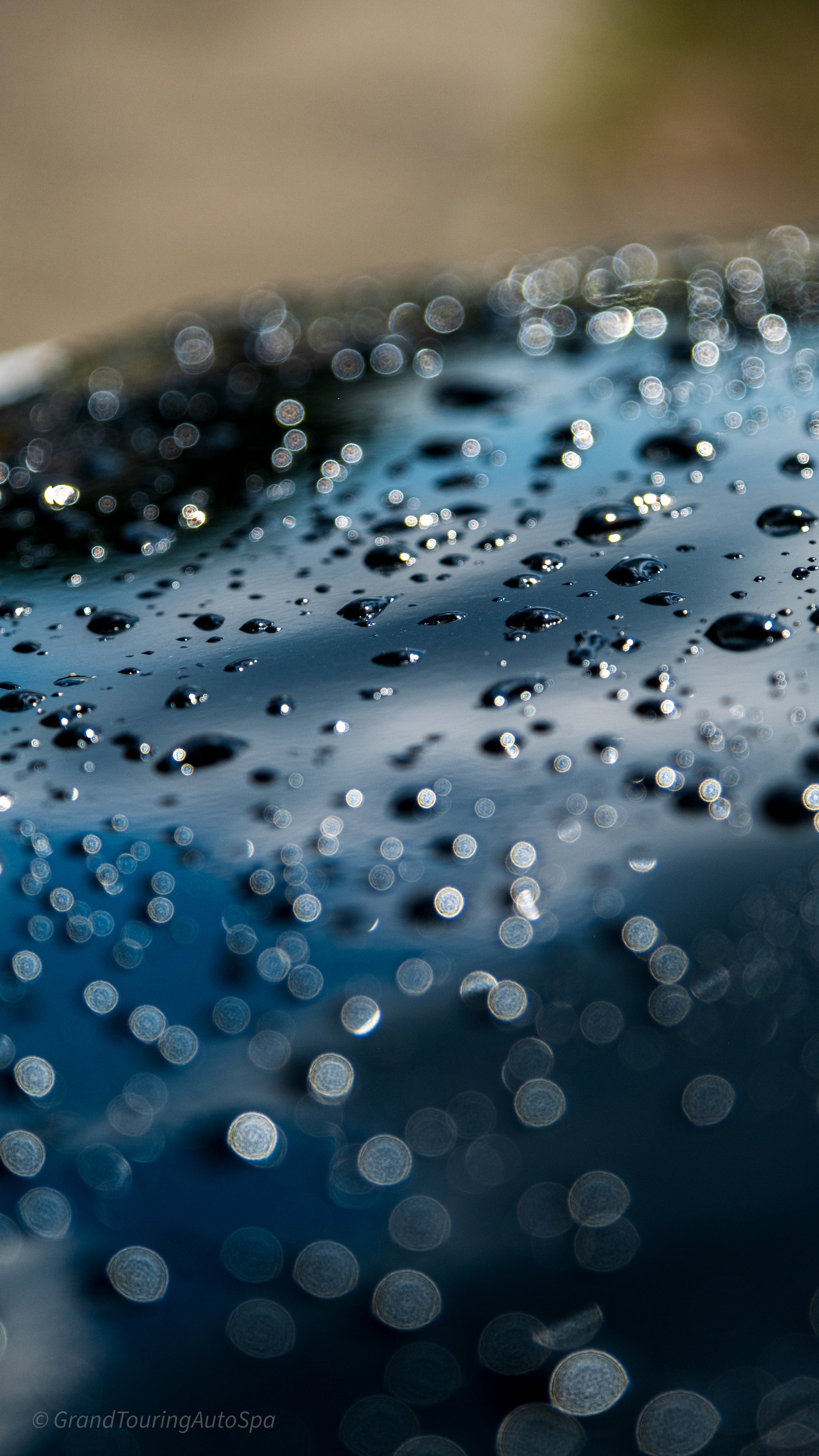
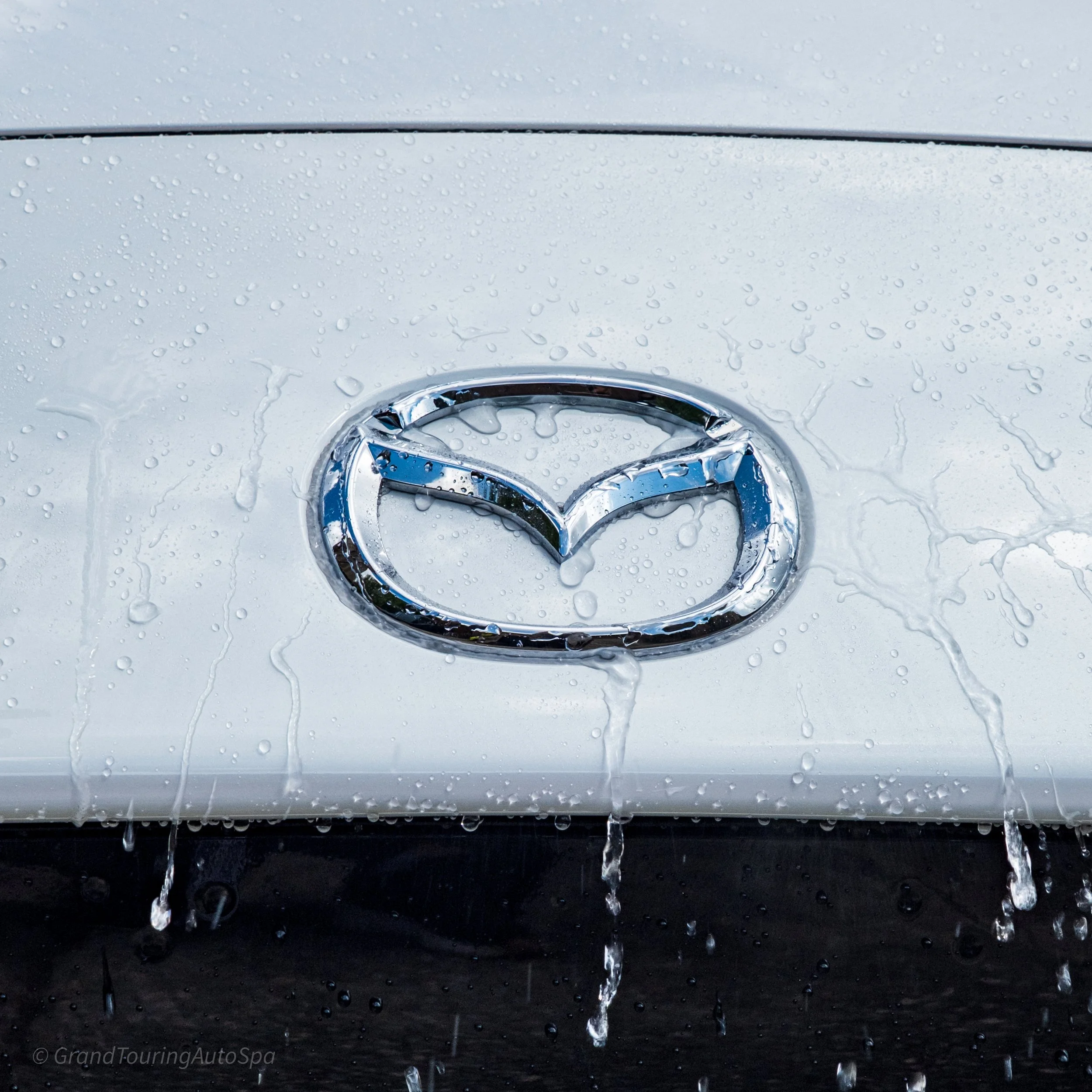
Provide hydrophobic behavior that helps water bead and sheet
Reduce the ability of contaminants to bond to the surface
Enhance gloss with a clean, reflective finish
Compared to waxes, they offer greater consistency and durability.
Compared to ceramic coatings, they provide similar benefits—but at a lower level of performance and longevity.
Key Differences vs Ceramic Coatings
Sealants typically last several months, while coatings are designed for longer-term performance
Sealants sit on the surface, while coatings form a more durable, bonded layer
Sealants offer moderate protection, but break down more quickly under heat, washing, and contamination
Sealants require more frequent reapplication to maintain performance
Best Suited For
Daily-driven vehicles
Clients looking for strong protection without long-term commitment
Situations where regular maintenance and reapplication are expected
Ceramic Coatings
Ceramic coatings are silica-based protective layers that bond to the surface, forming a durable and uniform barrier.
They function as a thin, sacrificial layer above the clear coat, helping reduce direct exposure and improve how the surface behaves.
When properly applied, they provide:
Hydrophobic behavior
Water beads and sheets more effectively, helping reduce water spotting and simplify dryingContaminant resistance
Dirt, grime, and fallout have a more difficult time bondingImproved slickness
Reduces friction during washing, supporting safer maintenanceChemical resistance
Helps protect against bird droppings, bug residue, and light environmental exposureEnhanced gloss and clarity
Creates a more reflective, uniform finish
What Ceramic Coatings Do NOT Do
Ceramic coatings are often misunderstood.
They do not:
Make paint scratch-proof or chip-resistant
Prevent swirl marks entirely
Eliminate the need for maintenance
Stop contamination from occurring
While they may slightly increase surface hardness, they do not prevent damage caused by improper washing or physical contact.
The effectiveness of any protection depends not only on the product—but on the condition of the surface and how it is maintained over time.
Impact Protection (Paint Protection Film)
Paint Protection Film (PPF) is a clear, durable urethane film that provides a physical barrier against impacts, abrasion, and road debris.
It is designed to:
Absorb minor impacts from rock chips
Protect against scratches and surface wear
Preserve the original paint beneath
Considerations for Long-Term Performance
Installation quality matters
Proper prep and application determine clarity and durabilityPPF is not permanent
It must be removed and replaced before the end of its lifespanMaintenance is still required
Contamination and surface wear can still occur
When properly installed and maintained, PPF can preserve paint in near-original condition.
Vinyl Wraps (Appearance vs Protection)
Vinyl wraps are designed for appearance customization—not impact protection.
They:
Change the look of the vehicle (matte, satin, color, etc.)
Offer limited resistance to minor surface wear
Have a shorter lifespan than PPF
They do not provide meaningful protection against rock chips or heavy abrasion.
PPF preserves the paint.
Vinyl wraps change how it looks.
UV & Interior Protection (Tint & Surface Care)
Interior surfaces are constantly exposed to heat and UV radiation—especially in climates like Florida.
Over time, this leads to:
Fading and discoloration
Drying and cracking
Premature material wear
Window tint helps by:
Reducing UV exposure
Lowering interior temperatures
Slowing material degradation
Interior Surface Protection
Modern interior protection products—including ceramic-based coatings—help preserve materials and simplify maintenance.
They:
Reduce staining and dye transfer
Help liquids bead for easier cleanup
Maintain a more consistent, like-new appearance
On fabric: reduce absorption of liquids and contaminants
On leather and trim: reduce wear and improve cleanability
Interior protection improves durability—but does not eliminate wear. Regular care is still essential.
What Protection Does (and Doesn’t Do)
Protection helps to:
Reduce direct exposure to contaminants
Make surfaces easier to clean
Improve drying through water behavior
Maintain gloss and material condition
Reduce friction during washing
However, it does not:
Make surfaces immune to wear
Eliminate maintenance
Prevent contamination entirely
Protection reduces risk—it does not remove it.
Protection and Maintenance Work Together
Protection performs best when supported by consistent care.
With proper maintenance:
Surfaces stay cleaner
Protection lasts longer
Long-term wear is reduced
Without it:
Contamination accumulates
Performance declines
Surfaces become harder to safely clean
What This Means for Your Vehicle
The most effective approach combines:
Surface protection (sealants or coatings)
Impact protection where appropriate (PPF)
Interior and UV protection
Consistent, proper maintenance
At Grand Touring Auto Spa, protection is not treated as a standalone service—but as part of a long-term preservation strategy.
Protection Explained
Environmental Exposure
Your Vehicle Is Constantly Exposed
Even when not in use, your vehicle is continuously exposed to environmental elements that affect its appearance and condition.
These factors are often overlooked because the damage they cause is gradual—but over time, their impact becomes significant.
Common Sources of Environmental Wear
Daily exposure includes more than what’s immediately visible. Many contaminants are microscopic, yet still affect your vehicle’s surface over time.
Pollen, dust, and sand
Fine airborne particles settle on the surface and act as abrasives during contact, increasing the risk of micro-marringIron particles and brake dust
Generated by vehicles, railways, and general traffic, these particles can travel through the air and embed into paint—even without direct proximity to heavy industryIndustrial and environmental fallout
Airborne pollutants from construction, roadwork, and urban environments can settle onto surfaces and bond over timeHighway and traffic exposure
Regular driving exposes vehicles to a constant mix of contaminants, including tar, debris, and metallic particlesCoastal and salt exposure
In coastal regions, salt in the air can settle on surfaces, accelerating corrosion and contributing to long-term material degradationBird droppings and bug residue
Highly acidic and capable of causing staining or etching if not addressed promptlyTree sap and organic fallout
Can bond to the surface and harden, making removal more difficult over timeHard water and mineral deposits
Sprinklers and water exposure can leave behind mineral spotting, especially when dried in direct sunlightUV exposure
Prolonged sun exposure contributes to oxidation, fading, and breakdown of materials
Many of these contaminants are not limited to specific environments—vehicles are exposed simply by being driven, parked outdoors, or even sitting near roadways and everyday infrastructure.
Damage Often Occurs While Parked
Many forms of damage happen when a vehicle is sitting still—not while being driven.
Contaminants have time to:
Bond to the surface
Dry and harden
Chemically interact with the paint or materials
The longer they remain, the more difficult they become to safely remove.
The Compounding Effect
Environmental exposure is not a one-time event—it accumulates.
As contamination builds:
Surfaces become rougher
Cleaning becomes more difficult
The risk of marring during washing increases
This is why neglected vehicles often require more intensive correction to restore their appearance.
What This Means for Your Vehicle
Maintaining a vehicle’s condition is not just about how it is cleaned—but how often harmful exposure is addressed.
Regular, proper maintenance:
Removes contaminants before they can bond or cause damage
Reduces the need for aggressive correction
Preserves both appearance and material integrity over time
Maintenance & Long-Term Care
Preservation Requires Consistency
Maintaining a vehicle’s condition is not achieved through occasional deep cleaning—it is the result of consistent, proper care over time.
Environmental exposure, surface contamination, and routine use affect both exterior and interior surfaces. Without regular maintenance, these factors accumulate and increase the likelihood of long-term wear.
A structured approach to care helps prevent damage before it requires correction or replacement.
Recommended Maintenance Approach
While every vehicle and usage pattern is different, general guidelines for preserving condition include:
Frequent, proper washing
Regular maintenance washes remove contamination before it can bond or cause damagePeriodic decontamination
Removing embedded contaminants restores surface smoothness and improves wash safetyOngoing protection maintenance
Exterior sealants, coatings, and interior protections perform best when maintained and refreshed as neededInterior cleaning and preservation
Regular cleaning of high-contact areas prevents buildup, while protective products help reduce wear, staining, and material degradationMeasured paint correction when necessary
Occasional polishing can restore clarity—but should be performed thoughtfully to preserve clear coat
Balancing Correction and Preservation
Paint correction improves appearance by removing a small amount of clear coat to level imperfections.
While effective, it is not something that should be relied on repeatedly.
The goal is not to correct often—but to preserve condition so correction is needed less over time.
The same principle applies to interior materials—consistent care reduces the need for more intensive restoration.
Maintenance Frequency Matters
How often a vehicle is maintained has a direct impact on its long-term condition—both inside and out.
Consistent maintenance (biweekly or monthly)
Helps prevent buildup, reduces wear, and maintains a higher level of finishInfrequent maintenance
Allows contamination and wear to accumulate, increasing the need for more intensive cleaning and correction
Over time, consistency results in better overall condition with less intervention.
A Structured Approach to Care
An effective long-term strategy typically includes:
Routine exterior maintenance washes
Periodic decontamination
Protection application and upkeep (exterior and interior)
Regular interior cleaning and preservation
Occasional correction when needed
When combined, these elements work together to preserve both appearance and material integrity throughout the vehicle.
What This Means for Your Vehicle
The condition of a vehicle is not determined by a single service—but by how it is cared for over time.
At Grand Touring Auto Spa, services are designed to support a complete preservation approach, maintaining clarity, gloss, and interior condition through consistent, controlled care.
How This Applies to Our Services
A Preservation-First Standard
At Grand Touring Auto Spa, every service is built around the principles outlined in this guide.
We approach each vehicle with a focus on:
Minimizing unnecessary wear
Safely removing contamination
Maintaining both exterior and interior condition over time
This is not about short-term results—it’s about long-term preservation.
Focused, Intentional Service
Rather than offering every possible service, our focus is on delivering a refined and consistent level of care within a controlled scope.
This allows us to:
Maintain high standards across every service
Use proven techniques and products
Prioritize long-term outcomes over temporary results
As our services evolve, additional offerings will be introduced with the same level of intention and quality.
Designed for Real-World Ownership
Not every vehicle is a show car—and it doesn’t need to be.
Whether maintaining a well-kept vehicle or improving the condition of a daily driver, the goal remains the same:
To protect, preserve, and maintain the pride in ownership or help restore the enjoyment of it.
A Long-Term Perspective
Proper vehicle care is not defined by a single service, but by consistency over time.
By combining safe processes, appropriate protection, and ongoing maintenance, we help ensure your vehicle continues to look and feel its best.
Closing Thought
The condition of a vehicle is not accidental—it’s the result of how it is cared for over time.
Learn more about our story and philosophy
Take the Next Step
Whether you’re looking to maintain your vehicle’s condition or improve it over time, a structured approach makes all the difference.
Explore our services or schedule a visit to begin a more intentional approach to your vehicle’s care.